
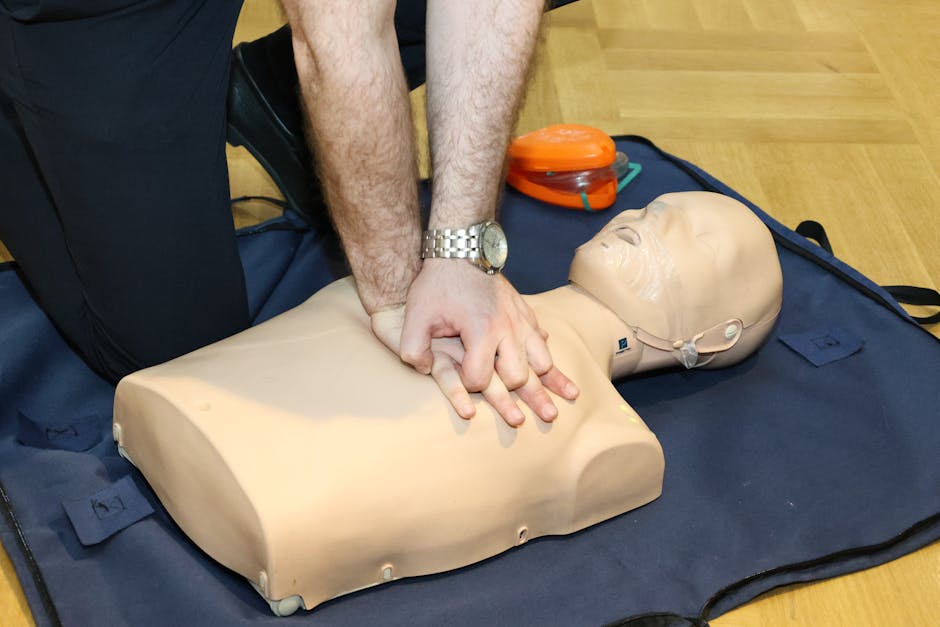
Cardiopulmonary Resuscitation (CPR) is a critical emergency procedure that can save lives in the event of cardiac arrest. Understanding the principles and techniques of CPR is essential for both medical professionals and laypersons. This article delves into the importance of CPR, the step-by-step process involved, recent statistics on cardiac arrest, and the impact of CPR training on survival rates.
Understanding CPR and Its Importance
CPR is a lifesaving technique that is performed when someone’s heartbeat or breathing has stopped. According to the American Heart Association, approximately 350,000 cardiac arrests occur outside of hospitals annually in the United States alone. The chances of survival decrease by about 10% for every minute that passes without CPR and defibrillation. Therefore, immediate action is crucial, as it can significantly increase the likelihood of survival and recovery.
While many people are aware of CPR, not everyone knows how to perform it correctly. Learning CPR can empower individuals with the skills needed to act quickly in emergencies. In fact, studies show that bystander CPR can double or even triple a victim’s chance of survival. This highlights the vital role that training and awareness play in emergency medical situations.
The Steps of Performing CPR
Performing CPR consists of several key steps, which can be summarized in the acronym CAB: Circulation, Airway, and Breathing. First, it is essential to ensure that the scene is safe before approaching the victim. Once confirmed, check for responsiveness.
If the person is unresponsive and not breathing, call emergency services immediately. Then, proceed to chest compressions by placing your hands in the center of the person’s chest and pushing hard and fast, at a rate of 100 to 120 compressions per minute. Aim for a depth of about 2 inches, allowing the chest to fully recoil between compressions.
After 30 compressions, open the airway by tilting the head back slightly and giving two rescue breaths. Each breath should last about one second, and the chest should rise visibly. Continue the cycle of 30 compressions followed by two breaths until medical help arrives or the person shows signs of life.
Statistics on Cardiac Arrest and CPR Outcomes
Statistics reveal the stark reality of cardiac arrest incidents. According to a study published by the Journal of the American College of Cardiology, only about 10% of people who suffer an out-of-hospital cardiac arrest survive to hospital discharge. However, when bystanders perform CPR, survival rates can increase significantly. In cases where CPR was administered, the survival rate can rise to over 30%.
Furthermore, the introduction of automated external defibrillators (AEDs) in public spaces has also improved outcomes. AEDs can analyze the heart’s rhythm and deliver shocks if needed, which, when combined with CPR, can further enhance survival chances. This synergy between CPR and AED use underscores the importance of community education and accessibility to life-saving equipment.
The Role of CPR Training and Community Awareness
Training in CPR is not just for healthcare professionals; it is vital for everyone. Organizations such as the Red Cross and various local health departments offer CPR courses that teach individuals how to respond effectively in emergencies. Regular training updates ensure that individuals remain knowledgeable about any changes in guidelines or techniques.
Community awareness is equally important. Initiatives to promote CPR training can lead to a more prepared society. Many communities have adopted programs to provide free or subsidized training sessions. For example, events like “CPR Saturday” encourage local residents to learn CPR, making it a community-wide effort.
Moreover, having more people trained in CPR can create a culture of preparedness, leading to quicker responses during emergencies. In Sweden, for instance, initiatives like the HLR kurs Stockholm have been instrumental in increasing the number of trained individuals, contributing to improved survival rates for cardiac arrest victims.
Conclusion: The Lifesaving Power of CPR
Cardiopulmonary Resuscitation is a critical skill that everyone should learn. The ability to perform CPR can mean the difference between life and death during a cardiac arrest. With statistics showing a significant increase in survival rates when CPR is administered promptly, it is clear that training and community awareness are essential. By empowering individuals with the knowledge and skills to perform CPR, we can create a safer and more prepared society. Therefore, consider enrolling in a CPR course and encourage others to do the same—together, we can make a difference.
About the Author