
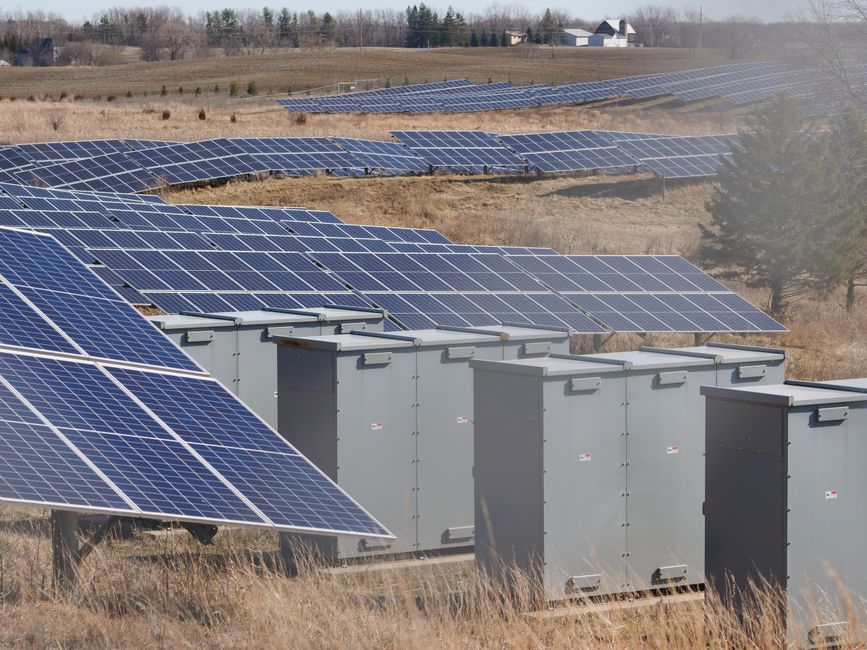
As the world increasingly shifts towards renewable energy sources, the importance of effective energy storage systems becomes paramount. Energy storage systems (ESS) are pivotal in ensuring that energy generated from renewable sources, such as solar and wind, can be stored and utilized efficiently. This article delves into the types, benefits, and advancements in energy storage systems, highlighting their significance in the transition to a sustainable energy future.
Understanding Energy Storage Systems
Energy storage systems are technologies that store energy for later use. They play a crucial role in balancing energy supply and demand, particularly in renewable energy applications where generation can be intermittent. There are various types of energy storage technologies, including batteries, pumped hydro storage, compressed air, and thermal storage. Each of these technologies has its unique advantages and challenges, catering to different energy needs and scenarios.
For instance, batteries are among the most widely recognized forms of energy storage. Lithium-ion batteries, in particular, have gained popularity due to their efficiency and decreasing costs. According to a report from BloombergNEF, the cost of lithium-ion batteries has dropped by over 85% since 2010, making them a feasible option for both residential and commercial energy storage.
Pumped hydro storage, on the other hand, is a more traditional method that involves storing energy by moving water between two reservoirs at different elevations. This method is highly efficient but requires suitable geographic locations. Despite its limitations, pumped hydro storage accounts for nearly 95% of the world’s grid-scale energy storage capacity.
Benefits of Energy Storage Systems
Implementing energy storage systems offers numerous benefits, particularly in enhancing the stability and reliability of the grid. One of the primary advantages is the ability to store excess energy generated during peak production times and release it during periods of high demand. This capability helps to mitigate the effects of energy supply fluctuations and enhances overall grid resilience.
Moreover, energy storage systems can significantly lower energy costs. By storing energy during off-peak hours when prices are typically lower and using it during peak hours, consumers can take advantage of price differentials. According to the U.S. Energy Information Administration (EIA), energy storage can reduce electricity costs by up to 30% in certain markets.
In addition to cost savings, energy storage systems contribute to environmental sustainability. By facilitating the integration of renewable energy sources, they play a vital role in reducing greenhouse gas emissions and combating climate change. This aligns with global efforts to transition to cleaner energy systems, as outlined in various international agreements.
Innovations and Trends in Energy Storage Technology
The field of energy storage is rapidly evolving, with continuous innovations improving efficiency, capacity, and cost-effectiveness. Recent advancements include the development of solid-state batteries, which promise higher energy densities and enhanced safety compared to traditional lithium-ion batteries.
Furthermore, the integration of artificial intelligence and machine learning into energy storage management systems is gaining traction. These technologies enable better forecasting of energy demand and optimized charging and discharging cycles, leading to enhanced operational efficiency.
Another exciting trend is the emergence of community energy storage systems. These systems allow multiple users in a neighborhood to share energy storage resources, promoting energy independence and resilience at the local level. This decentralized approach aligns well with the growing interest in community-based renewable energy initiatives.
Challenges Facing Energy Storage Deployment
Despite the many advantages, several challenges hinder the widespread adoption of energy storage systems. One significant barrier is the initial capital investment required for deploying large-scale energy storage projects. Although costs have decreased, the upfront expenses can still be prohibitive, particularly for smaller players in the market.
Additionally, regulatory frameworks and policies surrounding energy storage are often unclear or inconsistent. In many regions, energy storage systems are not fully recognized as a distinct category, leading to potential complications in market participation and incentives.
Lastly, the environmental impact of some energy storage technologies, particularly those involving rare materials, raises concerns. As the industry moves forward, addressing these challenges will be crucial to ensuring the sustainable growth of energy storage systems.
The Future of Energy Storage Systems
The future of energy storage systems looks promising, with continued investment and research expected to drive advancements. As more countries commit to ambitious renewable energy targets, the demand for efficient and reliable energy storage solutions will only increase.
Furthermore, the global push for electrification in transportation and other sectors presents significant opportunities for energy storage integration. With electric vehicles (EVs) becoming more prevalent, the potential for vehicle-to-grid technology, where EVs act as mobile energy storage units, could revolutionize energy management.
In conclusion, energy storage systems are essential for the transition to a sustainable energy future. They not only enhance grid reliability and reduce costs but also support the integration of renewable energy sources. As technology continues to advance, the role of energy storage in our energy landscape will become increasingly vital. For more information on energy storage systems, visit energy storage system.
About the Author